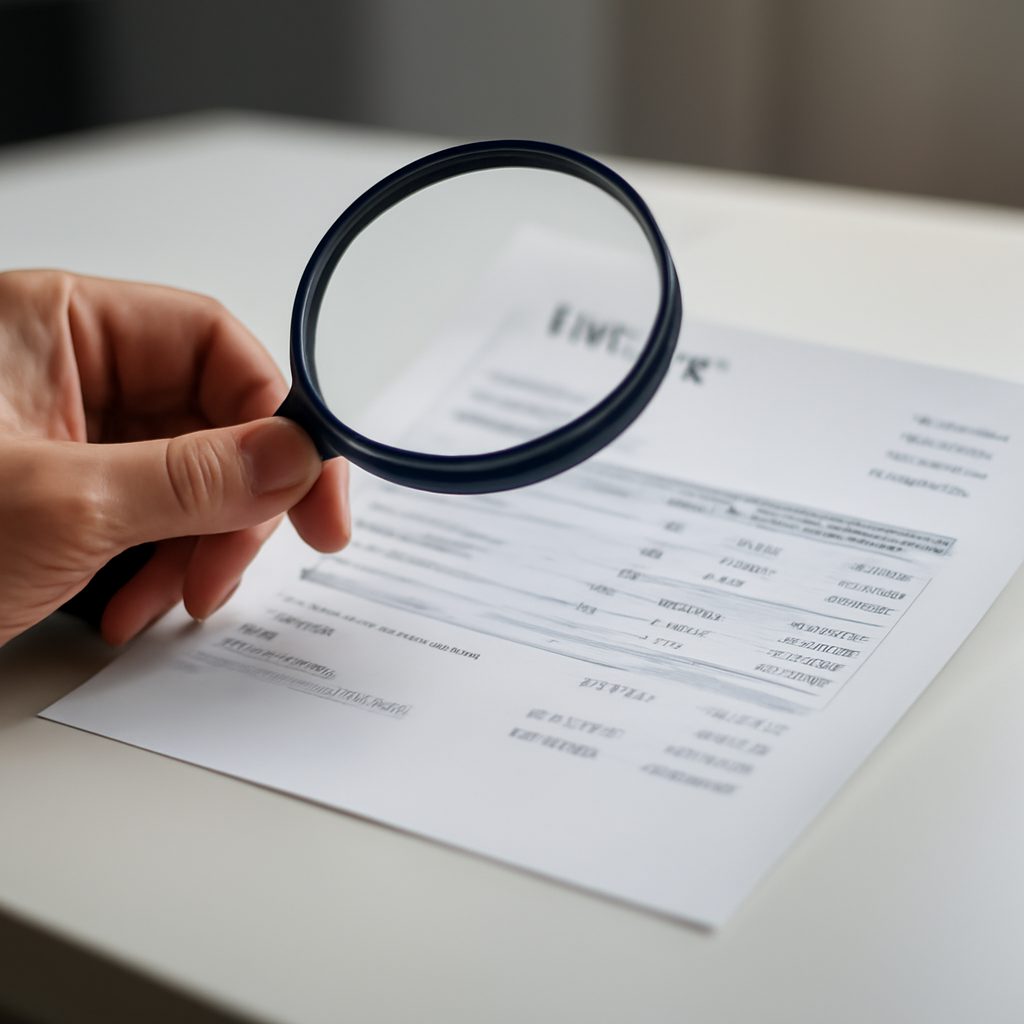
The Subtle Traps: Why Even Savvy Buyers Fall for Local Business Scams
Most people believe they’re too careful to be scammed by a local business. A quick glance at a website, a few positive reviews, and a professional-looking invoice—these seem like enough. Yet, every week, experienced buyers find themselves out of pocket, frustrated, and wondering how they missed the warning signs. The real problem isn’t a lack of caution; it’s that scams have evolved to blend in with legitimate businesses. The difference between a trustworthy local provider and a costly mistake is rarely obvious at first glance.
This matters because the consequences go beyond lost money. A single bad decision can mean wasted time, damaged property, or even identity theft. More importantly, the emotional cost—distrust, embarrassment, and hesitation to support local businesses in the future—can linger long after the financial loss. By understanding how scams work and how professionals spot them, you can protect yourself and make confident decisions. The following guide will show you how to recognize the red flags, avoid common pitfalls, and evaluate local businesses with the same scrutiny as an industry expert.
But here’s the twist: many of the most convincing scams don’t look like scams at all. They mimic the language, pricing, and even the guarantees of reputable businesses. So, what separates a genuine offer from a cleverly disguised trap? Let’s break down the most common tactics and how to see through them.
Why Too-Good-to-Be-True Offers Still Work—and How to See Past Them
It’s easy to dismiss “unbelievable deals” as obvious scams. But the reality is more nuanced. Scammers have learned that subtlety is more effective than shock value. Instead of offering rock-bottom prices, they present “limited-time discounts” or “exclusive savings” that seem plausible—especially when compared to regular market rates.
For example, a local service might advertise a Final Selling Price that’s significantly lower than the Regular Price, with a Discount or Savings value highlighted. On the surface, this matches what legitimate businesses do to attract customers. The difference? Scammers often use these tactics to create urgency, pushing you to commit before you’ve had time to verify their credentials.
The real challenge is that genuine businesses also run promotions. The key is context. Experienced buyers look for transparency: Are the savings clearly explained? Is the Regular Price realistic, or inflated to make the discount look larger? Does the business provide clear terms for the offer, or is the language vague? When a business, like socialking, lists a product with a Final Selling Price and clearly states the Regular Price and any available Discount, it’s a sign of transparency. Scammers, on the other hand, often avoid specifics or invent “savings” that can’t be verified.
Whenever you see a deal that feels urgent, pause and compare it with similar offers from established businesses. If the savings seem out of line with the market—or if you can’t verify the Regular Price elsewhere—proceed with caution.
The Hidden Risks in Payment Requests: What Professionals Always Check
One of the most common ways scams succeed is through payment methods that offer little or no recourse. Requests for wire transfers, prepaid cards, or cryptocurrency are classic red flags. But even more subtle are requests for full payment upfront, especially when paired with a promise of “priority service” or “guaranteed slots.”
Legitimate businesses typically offer multiple payment options and are transparent about their terms. For example, a reputable provider might accept standard credit cards, provide clear invoices, and outline refund policies. If a business insists on a single payment method—especially one that’s difficult to trace or dispute—experienced buyers see this as a warning sign.
Consider the difference: A business that provides a detailed invoice, lists the Final Selling Price, and explains any available Savings is demonstrating accountability. Scammers, by contrast, often avoid paperwork or provide vague receipts that make it difficult to track the transaction. Before making any payment, ask yourself: Would you be able to prove what you paid for, and would you have any recourse if the service isn’t delivered?
How Fake Reviews and Testimonials Skew Your Judgment
Online reviews are a double-edged sword. While they can provide valuable insights, they’re also a favorite tool for scammers. The most convincing scams often feature glowing testimonials, complete with photos and detailed stories. The problem? Many of these are fabricated or purchased.
Professionals look beyond star ratings. They examine the language of reviews—are they overly generic, repetitive, or suspiciously positive? Do multiple reviews appear within a short time frame, or do they reference products and services that don’t match the business’s actual offerings? For instance, if a business lists a product with a Final Selling Price and specific Savings, but reviews mention different prices or vague “amazing deals,” this inconsistency is a red flag.
Another overlooked factor is the absence of negative or neutral feedback. No business is perfect. A lack of any critical reviews can indicate manipulation. When in doubt, cross-reference reviews across multiple platforms and look for detailed, balanced feedback.
Why Rushed Decisions Lead to Regret—and How to Slow Down the Process
Scammers thrive on urgency. Whether it’s a “limited-time offer,” a “last available slot,” or a “discount expiring tonight,” the goal is to push you into a decision before you’ve had time to evaluate. This tactic works because it triggers loss aversion—the fear of missing out on a good deal.
Experienced buyers counter this by creating their own pause. They ask for written quotes, compare Final Selling Prices with other providers, and request time to review terms. If a business pressures you to decide immediately or becomes evasive when you ask for details, that’s a signal to step back.
For example, a reputable business will provide clear pricing—such as a Final Selling Price, Regular Price, and any available Discount—without insisting you commit on the spot. This transparency allows you to compare alternatives and make an informed choice. Scammers, on the other hand, often become defensive or disappear when pressed for specifics.
How Professionals Verify Business Credentials—And Why It’s Not Just About Licenses
Checking for a business license is a good start, but it’s not enough. Scammers can forge documents or use expired credentials. Professionals go further: they verify business addresses, cross-check contact information, and look for a consistent online presence. They also examine whether the business provides clear product information, including Final Selling Prices and any available Savings, as this level of detail is difficult for scammers to maintain across multiple platforms.
Another best practice is to contact the business directly using information from an official website, not from ads or third-party listings. If the business is reluctant to provide references, proof of insurance, or detailed product breakdowns, that’s a sign to reconsider.
When evaluating a business, look for consistency: Does the pricing match what’s listed on their website? Are product details, such as Final Selling Price and Savings, presented clearly and consistently? These are the habits of legitimate providers.
The Takeaway: Confidence Comes from Clarity, Not Just Caution
Spotting and avoiding scams isn’t about paranoia—it’s about knowing what to look for and demanding the same transparency professionals expect. The most effective way to protect yourself is to slow down, verify details, and compare offers with a critical eye. Look for businesses that provide clear, consistent information—especially around pricing, payment terms, and product details. When a provider lists a Final Selling Price, Regular Price, and any available Discount or Savings, it’s a sign they’re confident in their offer and accountable for their promises.
Ultimately, the difference between a costly mistake and a confident decision comes down to clarity. By applying these professional habits, you’ll not only avoid common scams but also support the local businesses that deserve your trust.
Published
Wed, 05-Aug-2026, 15:56
August 05, 2026 · 3:56 PM
Written by
Matangi Bhatt
Tags