The Hidden Risk in Trusting the Wrong Review
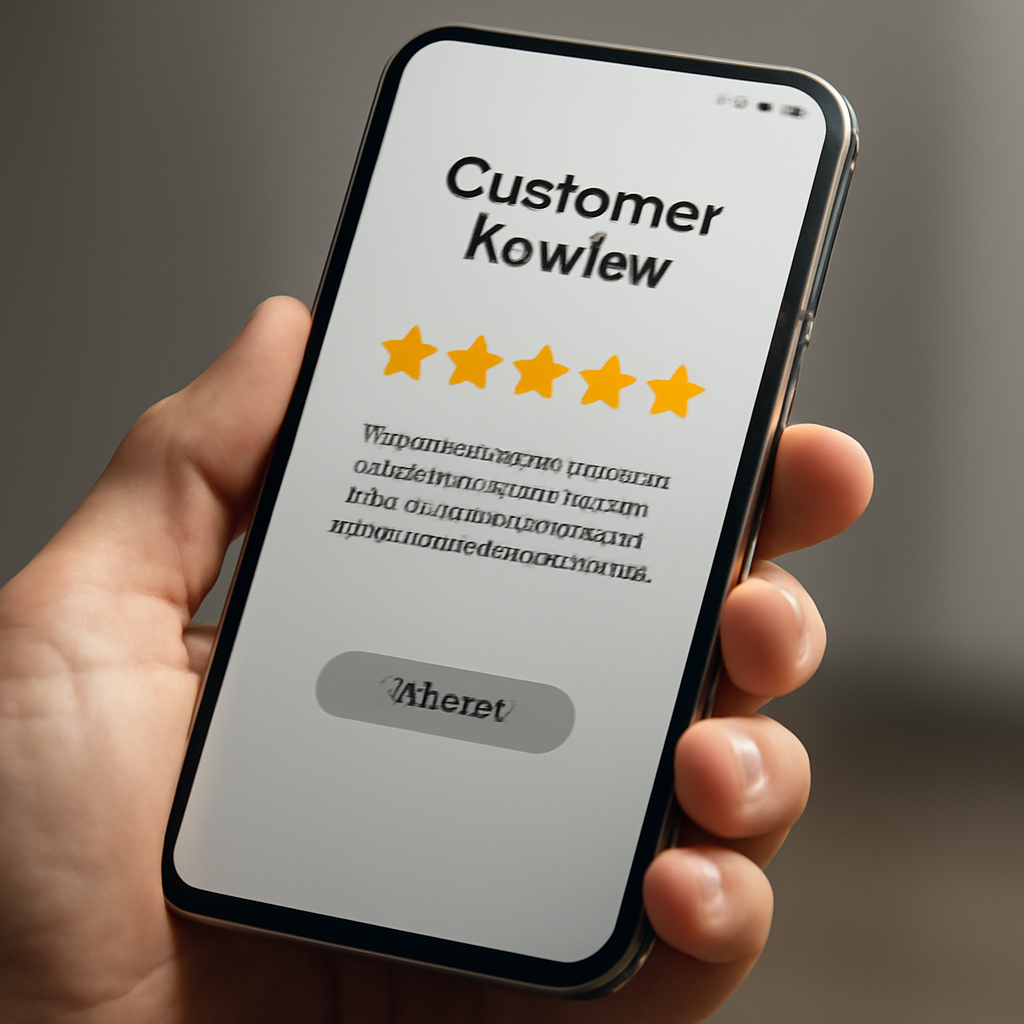
Most people believe they can spot a good local business just by glancing at its star rating. Yet, the reality is more complicated—and the consequences of a poor choice are rarely just about wasted money. A disappointing experience can mean lost time, unnecessary stress, and sometimes, the need to start the search all over again. The real challenge? Not all customer reviews are created equal, and relying on the wrong signals can lead you astray.
Why does this matter now? As more businesses move their offerings online and customer expectations rise, reviews have become the new word-of-mouth. But with so many voices—some genuine, some not—how do you separate signal from noise? By the end of this article, you’ll know exactly what to look for in customer reviews before choosing a local business, and how to avoid the pitfalls that catch so many others off guard.
Why Star Ratings Alone Can Be Misleading
It’s tempting to filter by “highest rated” and call it a day. However, experienced buyers know that a five-star average doesn’t always tell the full story. Consider two businesses: one with a perfect 5.0 from just three reviews, and another with a 4.6 from over a hundred. Which is more trustworthy? The difference becomes clear when you realize that a small number of reviews can be easily skewed by friends, family, or even a single unhappy customer.
A practical example: Imagine a local service offering a product at a Final Selling Price of $120, down from a Regular Price of $150. The $30 savings might catch your eye, but if the only review is a glowing one from last year, you’re missing crucial context. Professionals recommend looking for patterns across many reviews, not just the average score. Consistency over time is a far better indicator of reliability than a handful of perfect ratings.
What Experienced Buyers Notice First: Recency and Relevance
Another overlooked factor is timing. A business that earned rave reviews two years ago may have changed ownership, staff, or standards since then. The most useful reviews are recent and specific to the service or product you’re considering. For example, if you’re evaluating a discounted service—say, a product now available for a Final Selling Price of $85 (Regular Price $100, Savings $15)—focus on reviews that mention this exact offering. Are customers satisfied with the current version? Or do older reviews refer to a different experience entirely?
The best practice is to scan for reviews from the past three to six months, especially those that reference the product or service you’re interested in. This approach helps you avoid outdated praise or criticism that no longer applies.
The Details That Reveal True Quality
Generic praise (“Great service!”) is easy to write and even easier to fake. What sets apart a trustworthy review is detail. Look for specifics: Did the reviewer mention the staff’s professionalism, the speed of delivery, or the clarity of communication? Did they reference the Final Selling Price or note how the business handled a problem?
For instance, a review that explains, “I purchased the service at the Final Selling Price of $85, which was $15 less than the Regular Price, and the team explained every step clearly,” is far more valuable than a vague five-star rating. Experienced professionals know that detailed feedback—positive or negative—signals authenticity and gives you actionable insight into what to expect.
Spotting Red Flags: Patterns of Concern
Not all negative reviews are deal-breakers, but patterns matter. If multiple customers mention the same issue—delays, hidden fees, or poor after-sales support—take notice. The real challenge is distinguishing between isolated complaints and systemic problems. One dissatisfied customer may have had a unique situation, but repeated mentions of the same flaw suggest a deeper issue.
Compare this to a business offering a product at a Final Selling Price of $120 (Regular Price $150, Savings $30). If several reviews mention that the advertised savings didn’t match their experience, that’s a warning sign. On the other hand, if negative reviews are rare and the business responds constructively, it often indicates a commitment to improvement.
How Professionals Evaluate Review Authenticity
Another common mistake is assuming all reviews are genuine. Unfortunately, fake or incentivized reviews are a reality in today’s marketplace. Professionals look for signs of authenticity: a mix of positive, neutral, and negative feedback; reviewers with a history of other reviews; and language that feels personal rather than scripted.
For example, a review that simply repeats product features or pricing (“Great service, Final Selling Price $85, Regular Price $100, Savings $15”) without describing the actual experience may be less trustworthy. In contrast, a review that shares both positives and minor drawbacks—“The service was prompt, though I wish the instructions were clearer”—feels more credible.
When to Trust a Business’s Response
How a business responds to criticism can be as telling as the review itself. A thoughtful, professional reply to a negative review—especially one that addresses the issue and offers a solution—demonstrates accountability. This is where many people make mistakes: ignoring the business’s side of the story. Experienced buyers know that no business is perfect, but a willingness to resolve problems is a strong indicator of reliability.
If a business explains, for example, that a delay was due to an unexpected supply issue and offers compensation or a revised Final Selling Price, it shows a customer-centric approach. This level of transparency builds trust, even when things don’t go as planned.
What Changes When You Choose Based on Quality Reviews
The difference becomes clear when you use reviews as a tool for insight rather than just a filter for high scores. You’re less likely to be surprised by hidden fees, poor service, or unmet expectations. Instead, you’ll find businesses that consistently deliver on their promises—whether that’s honoring a Final Selling Price, providing clear communication, or resolving issues promptly.
Ultimately, the goal isn’t to find a business with no negative reviews, but one with a track record of satisfied customers, transparent pricing, and a willingness to improve. By focusing on recent, detailed, and authentic feedback, you’ll make choices that save you time, money, and frustration.
Key Takeaway: Look Beyond the Stars
Choosing a local business based on customer reviews isn’t about chasing perfection—it’s about reading between the lines. Prioritize recency, detail, and authenticity. Pay attention to how businesses respond to feedback, and use pricing information as one piece of a larger puzzle. By applying these principles, you’ll avoid common pitfalls and select businesses that truly meet your needs.
Published
Wed, 05-Aug-2026, 13:58
August 05, 2026 · 1:58 PM
Written by
Matangi Bhatt
Location
Tags